

The 15 most asked questions about contrast therapy answered
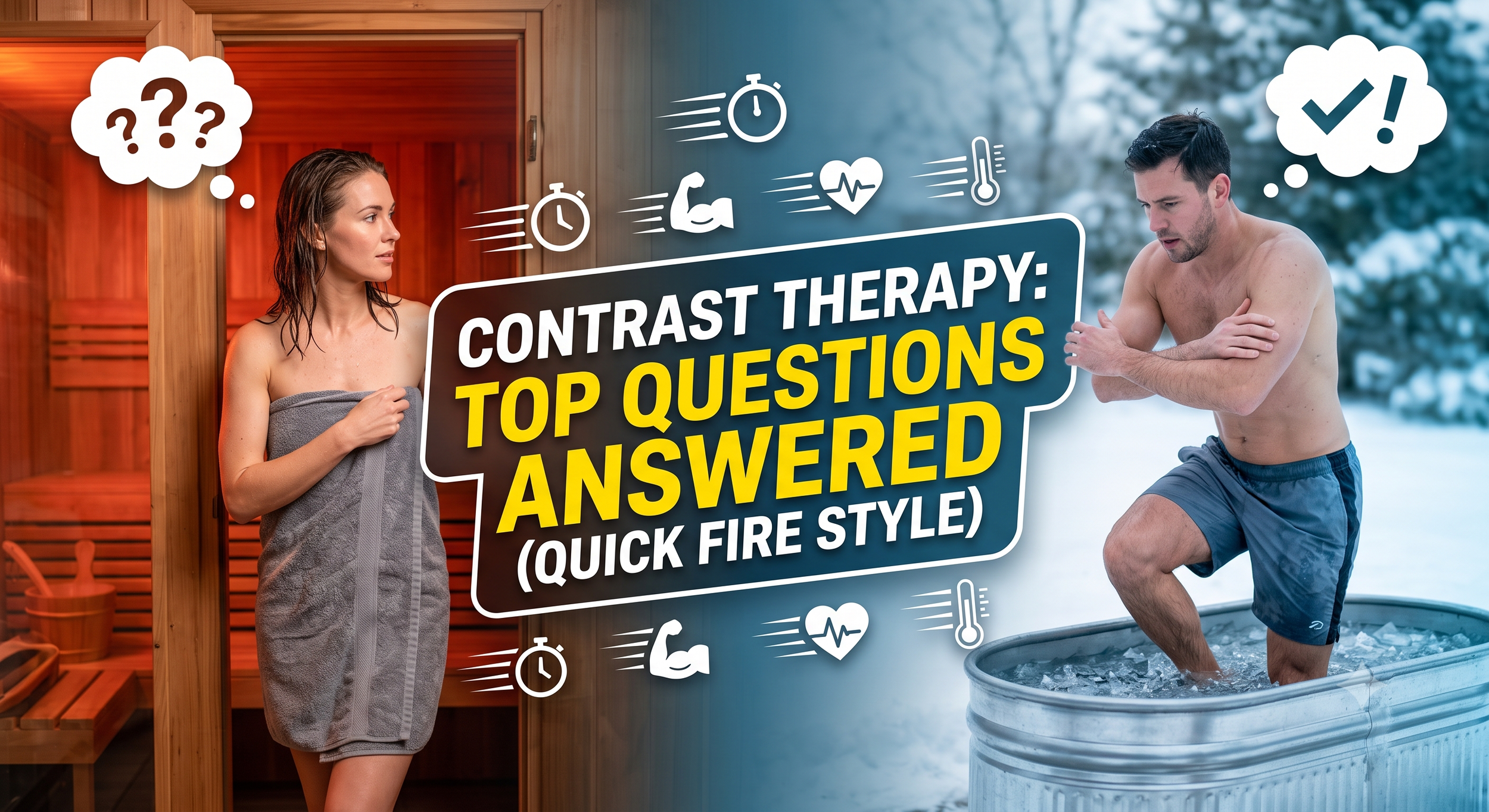
Contrast therapy questions answered
What is contrast therapy, and how does it work?
Contrast therapy is a wellness practise where people alternate between high temperatures (above 85°C) to low temperatures (5°C and below). It works by the heat increasing blood flow throughout the body and heat shocking cells into repair. By contrast cold plunges restrict blood flow to sore areas and cause your brain to release dopamine in order to deal with the cold. This restriction and dilation of blood flow is mutually beneficial causing increased health benefits of each practise. However, it is important to leave time in between each change (hot to cold).
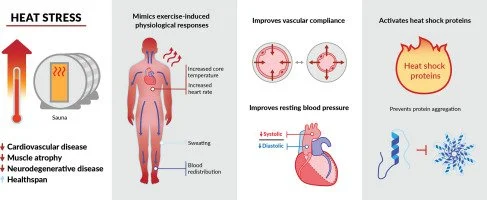
Heat shock exaplained
What is the difference between sauna only exposure vs contrast therapy?
Both practises are mutually complimented by other. You will maximize the dopamine release and muscle recovery by doing both the hot and the cold of contrast therapy.
Should you start with heat or cold in contrast therapy?
It really does not matter, start with whichever is comfortable for you. It is traditional to start with heat and move onto the cold. Just make sure to leave time in between the two to acclimatize and give your body a break from the extremes.
Should you end on hot or cold?
This entirely depends upon if you want to have energy for the rest of the day or you are winding down to relax. Finishing on a cold plunge will give you an energy kick, so great if you are starting early in the morning. Finishing with heat will make you feel more relaxed and can help promote better sleep.
How long should you stay in the sauna and cold plunge?
The most important thing is to listen to your own body. You should not need to suffer to get the health benefits from contrast therapy and you will build up a tolerance over time. For optimal results you should spend 15 to 20 minutes in the sauna (which is above 85°C) and then at least 2 minutes in a cold plunge (below 5°C). Multiple cycles with breaks in between of 2 minutes will give you the best results but again do what is comfortable to you.
How many hot to cold cycles should you do per session?
2 to 3 should be plenty but doing more cycles (assuming you hydrate and take breaks) will increase the health benefits up to a point.
Does Sauna sweating actually flush out toxins or lactic acid?
No, this is a common misconception. Your liver and kidneys are the primary organs involved with toxin removal. Sweat acts to cool down the body in the sauna.
Does contrast therapy burn fat or significantly boost metabolism?
Cold plunges have been reported to increase metabolic rate (metabolism) and saunas do simulate the sweat and higher heart rates of exercise. However, the science is unclear if this increases fat burn significantly. Speaking from experience you will not lose weight from saunas and cold plunges alone but they will make it easier to make the right decisions with your diet and exercise routine to lose fat.
What are the main science-backed benefits of contrast therapy?
The main one which is currently unproven is fat burn. Muscle recovery, mental clarity, a boost in serotonin, better circulation, faster physical recovery and longevity are all well documented benefits in many peer reviewed scientific journals.
Who should avoid contrast therapy?
Children, pregnant women and in some extreme health cases. The overwhelming majority of people could use contrast therapy to great health benefits but if you are concerned check with your doctor first.
Resources
Fitness & Muscle Recovery Boots HealthHub: What is Contrast Therapy? Read this if: You want a beginner-friendly breakdown of how hot and cold exposure ties into general fitness, workouts, and exercise routines.
Benchmark Physical Therapy: Thermal Tools for Winter Recovery Read this if: You're interested in how professional physical therapists view contrast therapy for muscle recovery and fighting off winter stiffness.
Medical & Rehab UsesNHS: Contrast Bathing for the Hand and Wrist Read this if: You want to see how actual hospitals prescribe contrast therapy (using water bowls) for localized joint pain, swelling, and injury rehabilitation.
Myth-BustingNational Geographic: The Myth of Sweating Out Toxins Read this if: You want the scientific truth about "detoxing" in a sauna.
Deep-Dive Science & Studies PubMed: Mechanisms and Efficacy of Contrast Therapy for Musculoskeletal Pain (2025) Read this if: You want to read a recent, comprehensive scientific review detailing exactly how alternating hot and cold creates a "vascular pump" to manage swelling and pain.
ScienceDirect: Sauna use as a lifestyle practice to extend healthspan (2021)Read this if: You want the hardcore, peer-reviewed science on how regular sauna use impacts longevity, cardiovascular health, and overall "healthspan".
